
Pandagoo Spreadsheet Phrasebook: every archived button and status, filed by screen
Plain-English meanings for 202 lines of wording from Pandagoo's archived order screens, next to a browsable catalogue of plain-label goods from Chinese sellers.
Three lines you may have seen
Seller Sentan item has left the seller, with a Chinese courier number
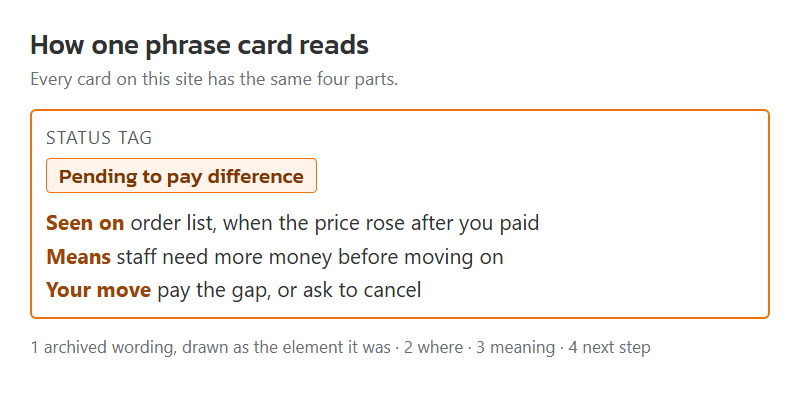
Pending to pay differencethe price rose after you paid; pay the gap or ask to cancel
Submit a rehearsal packagea dry-run packing, charged, that reveals the true box size
Eight aisles of plain-label goods to browse
Each tile opens a live category of goods from Chinese marketplaces. Our own picks, with first-tier prices and minimum quantities, are on the Spreadsheet page.
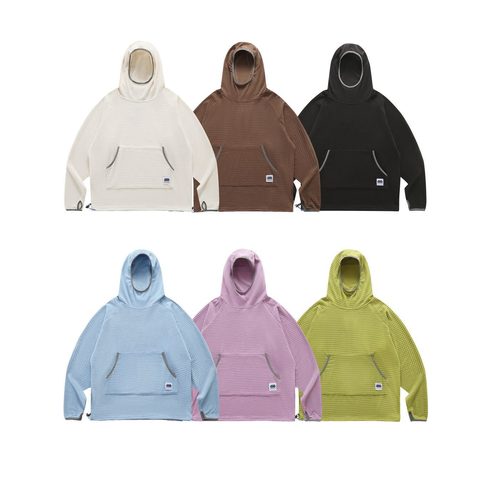 HoodiesWaffle pullover sized by body weight
 SneakersSoft-sole trainers, sizes 35 to 40
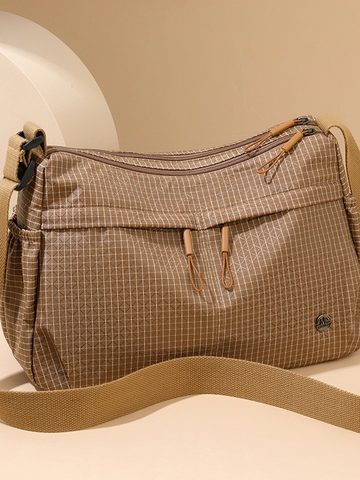 BagsOxford-cloth shoulder bags
 JeansStraight-leg denim, read the options
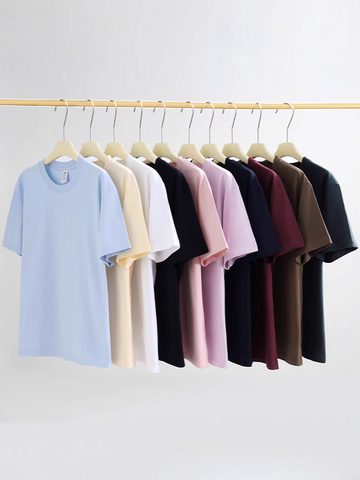 T-shirtsPlain tees in heavy cotton
 WatchesQuartz watches with a battery note
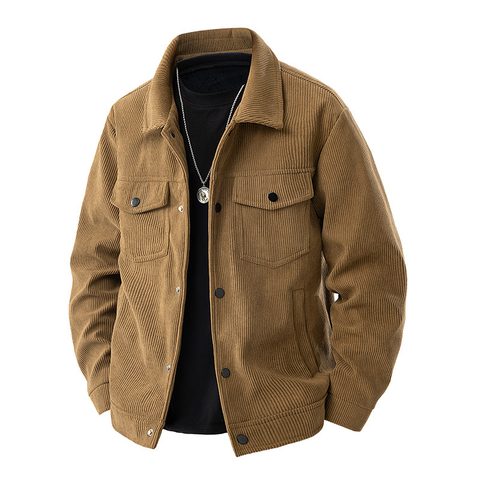 JacketsCorduroy jacket, M to 5XL
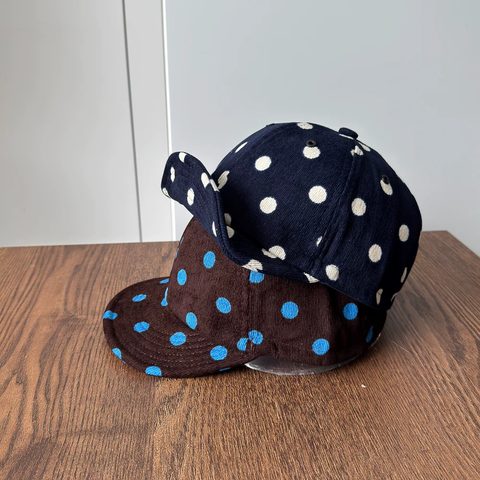 Caps and hatsCorduroy caps, one adjustable size
What is Pandagoo Spreadsheet Phrasebook?
The Pandagoo Spreadsheet Phrasebook has two halves. One is a catalogue to browse by category, spread over sixteen shelves of goods from Chinese sellers, picked for having no brand on them and checked against their listings on the day we picked them. The other half is the reason for the name: a card for each line of wording that Pandagoo's order screens showed, filed under the screen where it appeared.
Browse products on the Spreadsheet; decode account wording in the Phrasebook. Pandagoo was the service handling purchases and parcels, while this site explains saved screens. A matching phrase on another agent is not evidence of shared ownership or identical terms.
Every card has the same three parts. Where you would have seen the line, what it really meant, and what to do next. The wording itself is quoted from the copy of pandagoo.com stored on March 8, 2026; the explanations are ours.
Pandagoo in its March 2026 copy
Pandagoo is a shopping agent that bought goods from Chinese marketplaces such as Taobao, Weidian, 1688 and Xianyu on behalf of buyers abroad, stored them in a warehouse in China, photographed them on arrival and shipped them on in one parcel. Its archived home page promised zero purchasing commission, arrival photos at no charge and three hundred days of shelf space without a fee.
Status, checked October 24, 2026 at 10:00 Beijing time: the bare domain redirects to the www host, and the www host answers with Cloudflare error 522, the code for a server that never replied. An earlier check on October 21, 2026 got the same result. We link to nothing on that domain and offer no sign-up button.
Everything else known about the screens comes from one stored copy of the site's code, which carried its English interface text. Rates, route prices and the help pages were loaded separately and were never stored. The updates page keeps the dated record.
Paste a line, get its meaning
If you have a screenshot or a half-remembered message, the phrase finder matches it against all 202 cards, including the full stored sentences behind shortened ones. Misspellings and partial lines are fine.
The tool runs in your browser and sends what you type nowhere. More on how it scores matches is on the phrase finder page.
Nine screen chapters, ordered like an order
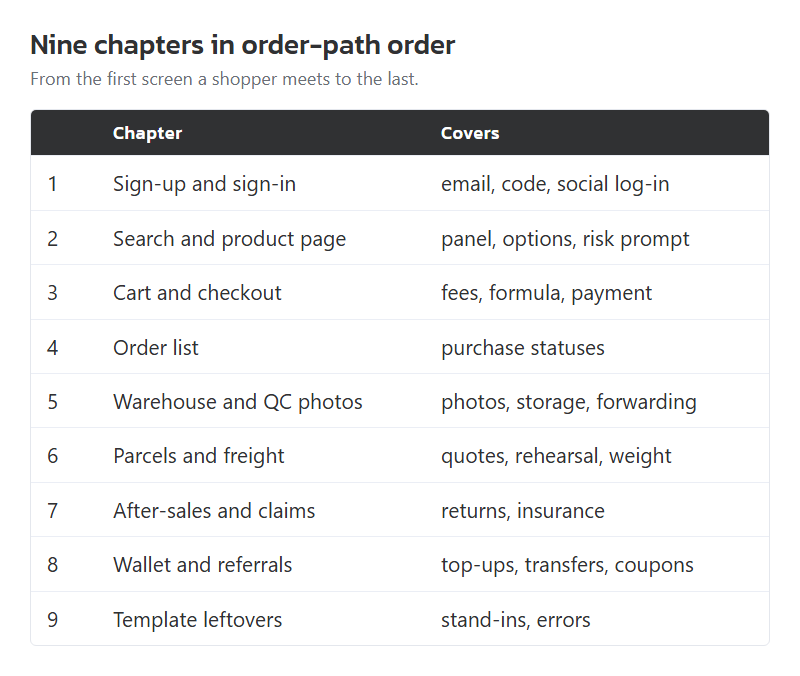
The chapters follow the order a shopper met the screens. Each opens with a mock-up drawn from the stored wording and ends with one longer section on the question that screen raises most: reading QC photos, working out parcel weight, or spotting template text.
- Sign-up and sign-in 25 cards
- Search and product page 34 cards
- Cart and checkout 23 cards
- Order list 20 cards
- Warehouse and QC photos 20 cards
- Parcels and freight 25 cards
- After-sales and claims 19 cards
- Wallet, coupons and referrals 18 cards
- Template leftovers and errors 18 cards
One order, read off the five-step strip
Pandagoo's home page showed a five-step strip: registration and ordering, procurement and inspection, submitting shipment, packing, and receiving goods. Our guide walks one order through those five labels step by step, and for each step names the phrase that tells you it is finished.
It is the quickest way to see how the nine chapters fit together before reading any of them closely.
Which screen explains the charge you are seeing?
Two kinds of line cause most confusion: the fee labels and the parcel labels. On the fee side, the cart showed goods plus the seller's domestic delivery, and the payment page added a handling fee made of a flat part and a percentage. Our worked example shows how much the flat part weighs on a small order.
If the amount changes before purchase, compare the selected option, quantity and domestic delivery in the cart. If it changes after packing, compare parcel dimensions, route and extras. Search the exact label in the phrase finder before treating both as a product-price change.
On the parcel side, routes charged either actual weight or the higher of actual and volumetric weight, and some refused goods with batteries or liquids. The parcel chapter covers the quote methods, and the wallet chapter covers currency and the exchange rate you end up paying.
Choosing an agent while this one is dark
With pandagoo.com unreachable, the practical question is how to judge another agent. The wording on an agent's own screens tells you a lot: whether fee lines show numbers, whether the company name is real or template text, whether a contact address could ever receive mail. The choosing page sets that out, with what all agents do alike and where Pandagoo's promises stood out.
Slang, short answers and corrections
Shopper slang such as QC, GL and RL never appears on the screens; the help page maps it to the archived wording and answers the questions readers ask most. If a card is wrong, write to [email protected] and the dated fix goes on the updates page.